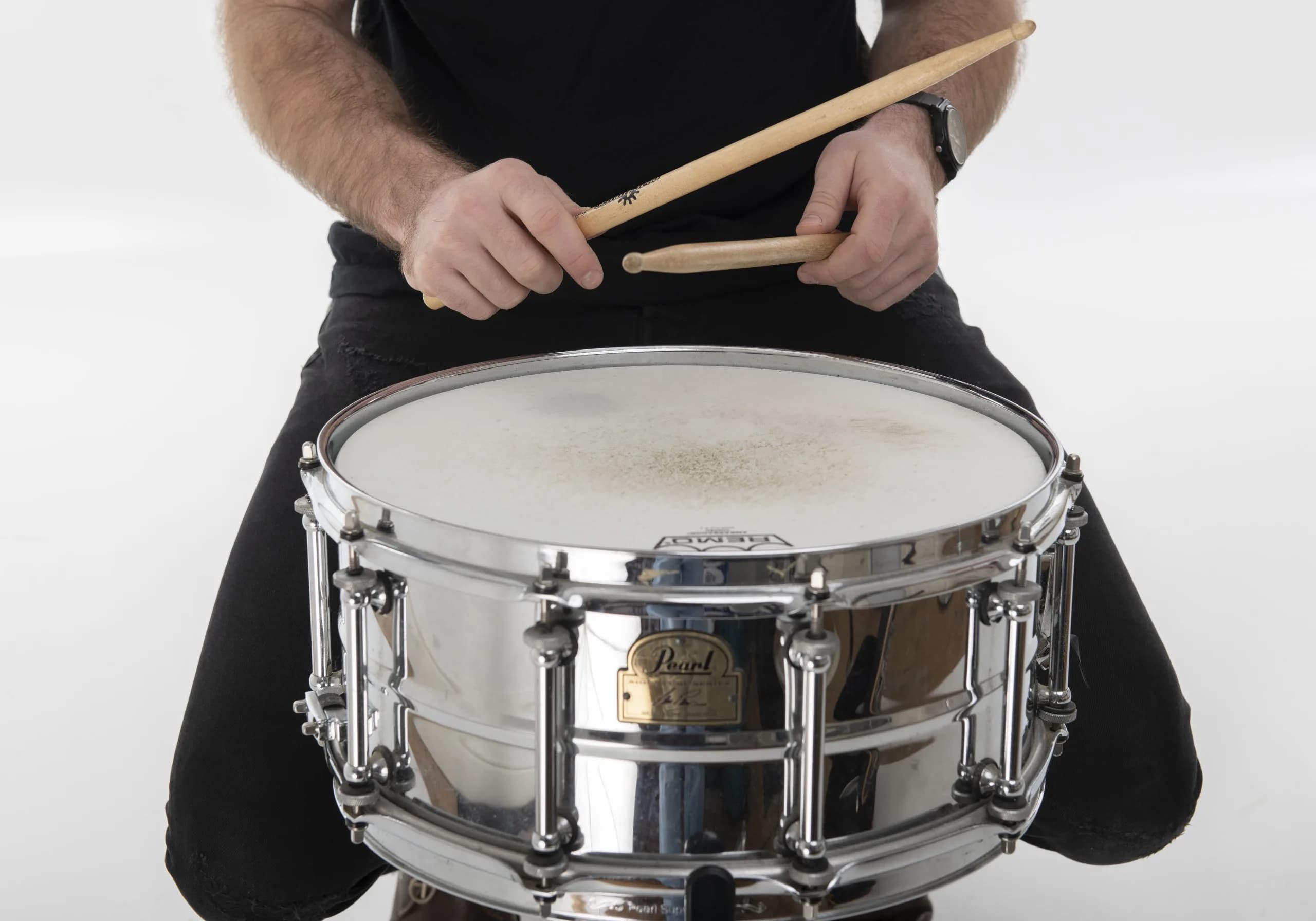
Drumming is physical, focused and expressive, which is one reason many people enjoy it. It can be a rewarding part of a weekly routine, but drum lessons are not healthcare and should not be presented as a treatment for medical conditions.
For parents and adult beginners, the most useful way to think about drumming is practical: it gives you a rhythm to follow, a skill to practise and a clear way to hear progress.
A focused activity
Playing drums asks you to listen, count, coordinate and respond. That focus can make a lesson feel absorbing, especially when the tutor breaks the task into small steps.
A physical instrument
Drumming uses movement and timing. Pupils build control gradually, starting with simple patterns before adding more coordination and independence.
A regular routine
A weekly lesson and short practice tasks can give learners a positive structure. For children, that routine can also help parents understand what to encourage at home.
A social and creative outlet
Drums can be played alone, in school lessons, in bands and in performances. That gives learners a chance to take part in music in a way that feels active and enjoyable.
Starting safely
Beginners do not need to know everything before they start. A tutor can help with setup, technique, volume and lesson pace. If you have health concerns, speak to a qualified health professional before starting any new physical activity.
Book a free taster lesson if you would like to try drumming and see whether it feels right.